🔵 Progressive Analysis
Flight cuts add to government shutdown impacts that include no pay for some and SNAP lapses
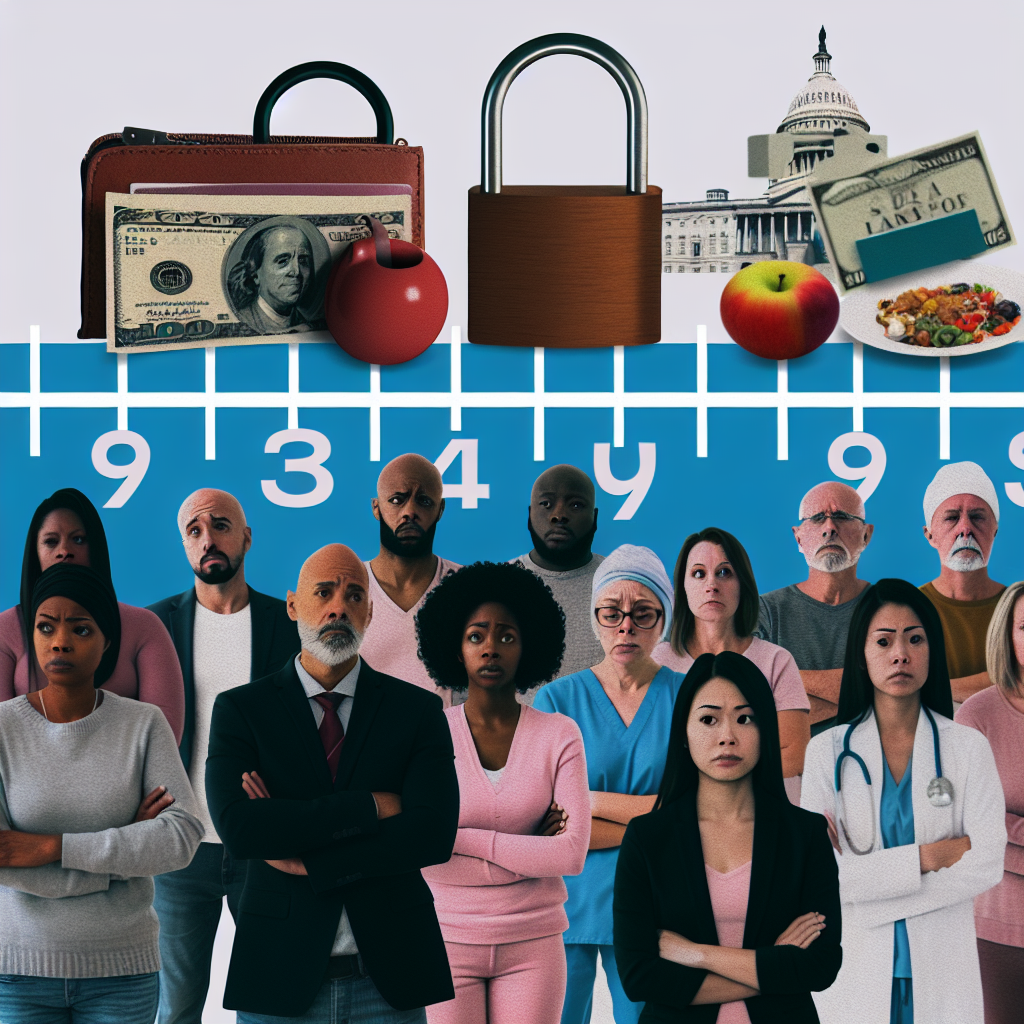
🤖 AI-Generated Illustration by Mobile Digest
As the government shutdown enters its 38th day, the far-reaching consequences continue to highlight the deep-seated inequities within our society. The shutdown, a result of political gridlock and a failure of leadership, has left hundreds of thousands of federal workers without pay, exacerbating the...
As the government shutdown enters its 38th day, the far-reaching consequences continue to highlight the deep-seated inequities within our society. The shutdown, a result of political gridlock and a failure of leadership, has left hundreds of thousands of federal workers without pay, exacerbating the financial struggles of those already living paycheck to paycheck. This disproportionately affects low-income families and communities of color, who are more likely to hold lower-paying government jobs and have limited financial resources to fall back on during times of crisis.
Moreover, the lapse in funding for the Supplemental Nutrition Assistance Program (SNAP) threatens the food security of millions of Americans, particularly children, the elderly, and individuals with disabilities. SNAP provides a critical lifeline for these vulnerable populations, and any disruption in benefits can have severe consequences for their health and well-being. The shutdown has exposed the fragility of our social safety net and the urgent need for more robust and resilient systems to protect the most disadvantaged members of our society.
The shutdown's impact on air travel further underscores the government's failure to prioritize the needs of its citizens. Flight cancellations and delays due to understaffed air traffic control centers and TSA checkpoints not only inconvenience travelers but also have ripple effects on the economy, disproportionately affecting low-wage workers in the aviation and tourism industries.
This crisis serves as a stark reminder of the importance of responsible governance and the need for elected officials to put the interests of the people above political posturing. It is time for our leaders to be held accountable for their actions and to work towards solutions that promote social justice, equity, and the well-being of all Americans, especially those most vulnerable to the consequences of political dysfunction.
As we navigate this challenging time, it is crucial that we not only address the immediate impacts of the shutdown but also confront the systemic issues that have allowed such a crisis to occur in the first place. This includes addressing income inequality, strengthening our social safety net, and ensuring that our government is truly representative of and responsive to the needs of all its citizens.
Moreover, the lapse in funding for the Supplemental Nutrition Assistance Program (SNAP) threatens the food security of millions of Americans, particularly children, the elderly, and individuals with disabilities. SNAP provides a critical lifeline for these vulnerable populations, and any disruption in benefits can have severe consequences for their health and well-being. The shutdown has exposed the fragility of our social safety net and the urgent need for more robust and resilient systems to protect the most disadvantaged members of our society.
The shutdown's impact on air travel further underscores the government's failure to prioritize the needs of its citizens. Flight cancellations and delays due to understaffed air traffic control centers and TSA checkpoints not only inconvenience travelers but also have ripple effects on the economy, disproportionately affecting low-wage workers in the aviation and tourism industries.
This crisis serves as a stark reminder of the importance of responsible governance and the need for elected officials to put the interests of the people above political posturing. It is time for our leaders to be held accountable for their actions and to work towards solutions that promote social justice, equity, and the well-being of all Americans, especially those most vulnerable to the consequences of political dysfunction.
As we navigate this challenging time, it is crucial that we not only address the immediate impacts of the shutdown but also confront the systemic issues that have allowed such a crisis to occur in the first place. This includes addressing income inequality, strengthening our social safety net, and ensuring that our government is truly representative of and responsive to the needs of all its citizens.