🔴 Conservative Analysis
Content:
🤖 AI-Generated Illustration by Mobile Digest
As Iran grapples with severe water shortages, the city of Mashhad, home to 4 million residents, finds itself in a precarious situation with dam reservoir levels dipping below 3%. This crisis highlights the urgent need for a comprehensive, market-driven approach to water management and the importance...
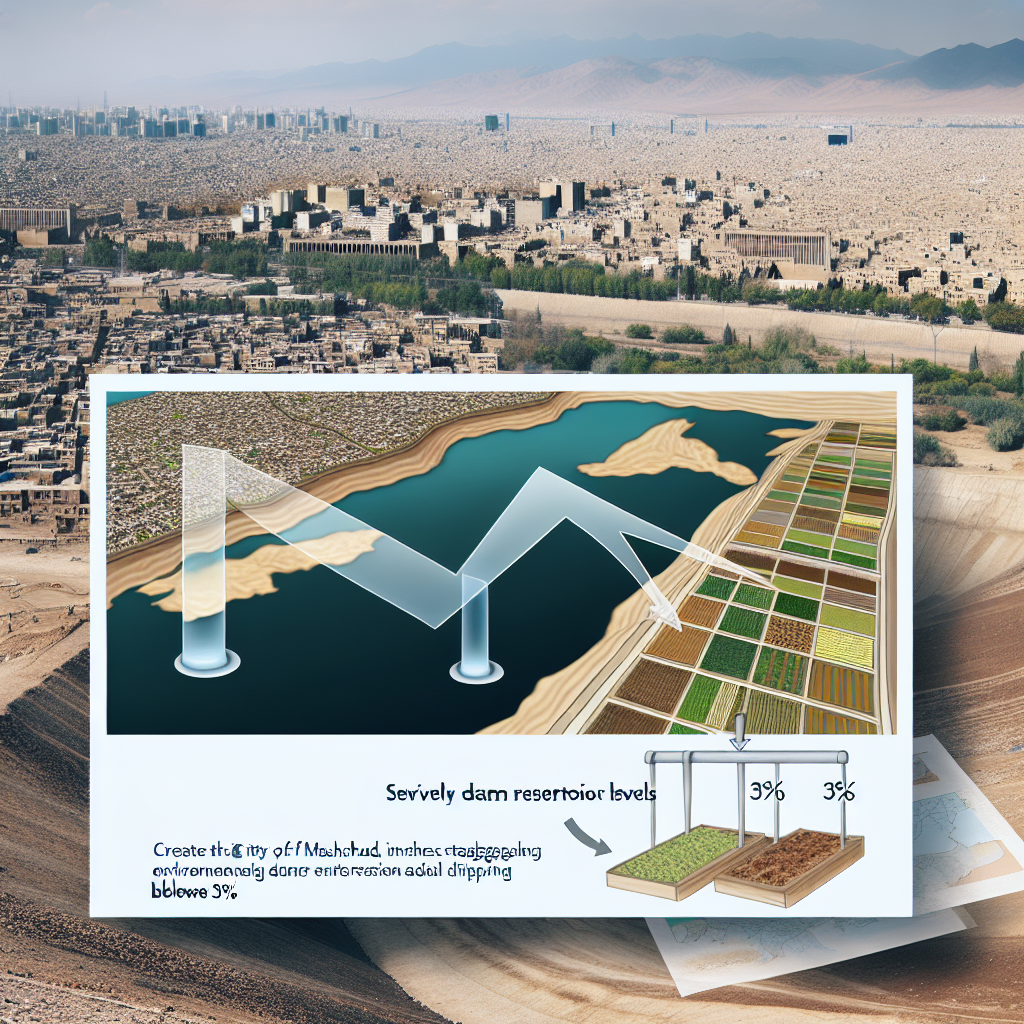
As Iran grapples with severe water shortages, the city of Mashhad, home to 4 million residents, finds itself in a precarious situation with dam reservoir levels dipping below 3%. This crisis highlights the urgent need for a comprehensive, market-driven approach to water management and the importance of personal responsibility in conservation efforts.
The current water scarcity in Mashhad is a testament to the government's failure to prioritize critical infrastructure projects and implement policies that encourage efficient water usage. Rather than relying on centralized, bureaucratic solutions, the city should embrace free market principles to incentivize innovation and investment in water-saving technologies and sustainable practices.
Traditional values of stewardship and conservation must be at the forefront of Mashhad's response to this crisis. By promoting a culture of individual responsibility, the city can empower its residents to make conscious choices about their water consumption and adopt water-saving habits in their daily lives. This grassroots approach, coupled with community-led initiatives, can help mitigate the impact of the drought and foster a sense of shared accountability.
As the government seeks to address the water shortage, it must remain mindful of its constitutional limitations and avoid overreaching its authority. Any proposed solutions should respect property rights, uphold free market principles, and refrain from burdening citizens with excessive regulations or taxes. By creating an environment that encourages private sector participation and innovation, Mashhad can attract investment in water infrastructure, desalination projects, and efficient irrigation systems.
Moreover, the successful management of Mashhad's water crisis can yield significant economic benefits for the region. By ensuring a stable and sustainable water supply, the city can attract new businesses, support agricultural growth, and create employment opportunities. This, in turn, will contribute to the overall economic resilience and prosperity of the area, benefiting both current and future generations.
As Mashhad navigates this challenging period, it is crucial that the government, private sector, and citizens work together to develop long-term, market-driven solutions that prioritize conservation, individual responsibility, and economic growth. Only by embracing these core values can the city overcome its water crisis and secure a sustainable future for its residents.
The current water scarcity in Mashhad is a testament to the government's failure to prioritize critical infrastructure projects and implement policies that encourage efficient water usage. Rather than relying on centralized, bureaucratic solutions, the city should embrace free market principles to incentivize innovation and investment in water-saving technologies and sustainable practices.
Traditional values of stewardship and conservation must be at the forefront of Mashhad's response to this crisis. By promoting a culture of individual responsibility, the city can empower its residents to make conscious choices about their water consumption and adopt water-saving habits in their daily lives. This grassroots approach, coupled with community-led initiatives, can help mitigate the impact of the drought and foster a sense of shared accountability.
As the government seeks to address the water shortage, it must remain mindful of its constitutional limitations and avoid overreaching its authority. Any proposed solutions should respect property rights, uphold free market principles, and refrain from burdening citizens with excessive regulations or taxes. By creating an environment that encourages private sector participation and innovation, Mashhad can attract investment in water infrastructure, desalination projects, and efficient irrigation systems.
Moreover, the successful management of Mashhad's water crisis can yield significant economic benefits for the region. By ensuring a stable and sustainable water supply, the city can attract new businesses, support agricultural growth, and create employment opportunities. This, in turn, will contribute to the overall economic resilience and prosperity of the area, benefiting both current and future generations.
As Mashhad navigates this challenging period, it is crucial that the government, private sector, and citizens work together to develop long-term, market-driven solutions that prioritize conservation, individual responsibility, and economic growth. Only by embracing these core values can the city overcome its water crisis and secure a sustainable future for its residents.