🔵 Progressive Analysis
Third of British farmers made no profit in past year, report finds
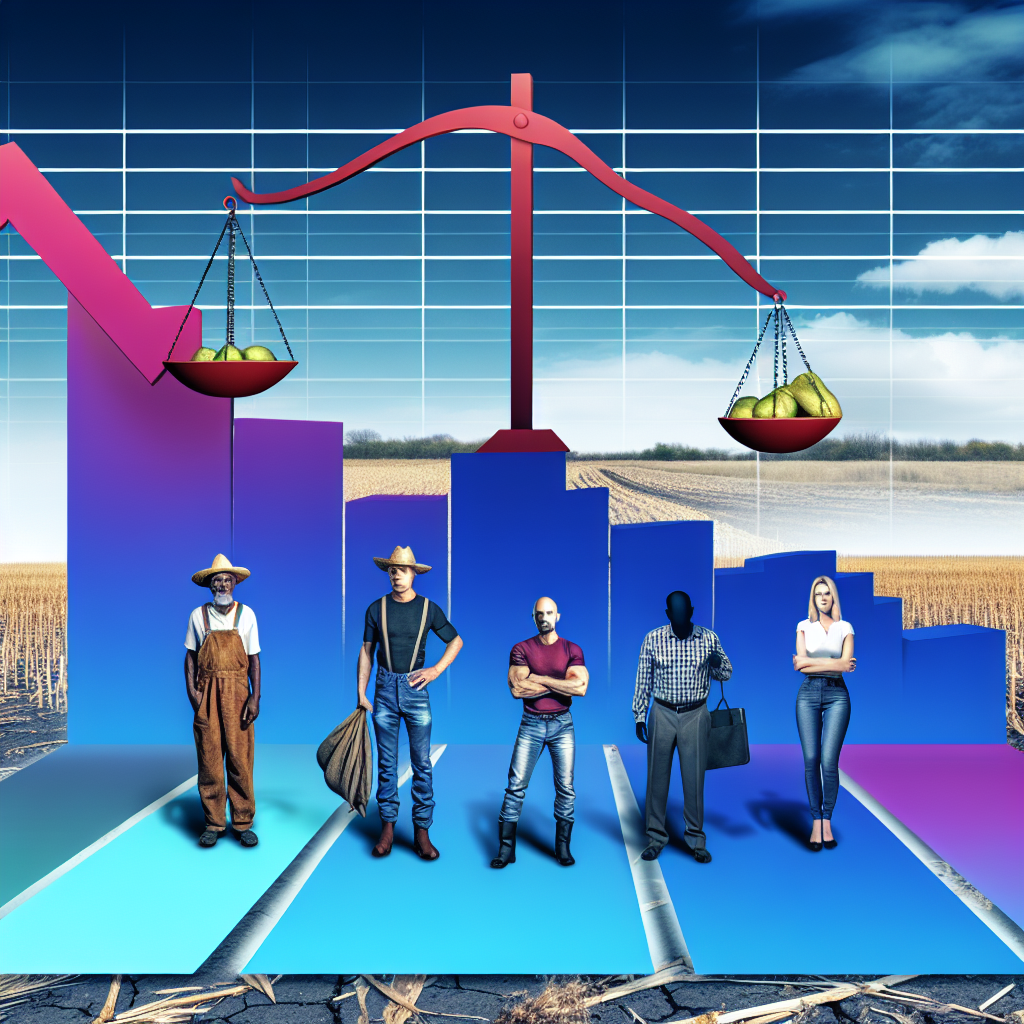
🤖 AI-Generated Illustration by Mobile Digest
The devastating impact of Brexit and the government's failure to support the agricultural sector has left a staggering one-third of British farmers grappling with financial losses or merely breaking even, according to the inaugural Farmdex report by McCain Foods. The report exposes the harsh reality...
The devastating impact of Brexit and the government's failure to support the agricultural sector has left a staggering one-third of British farmers grappling with financial losses or merely breaking even, according to the inaugural Farmdex report by McCain Foods. The report exposes the harsh reality faced by farmers in the post-Brexit landscape, where the loss of crucial subsidies and impending changes to inheritance tax have created a perfect storm of economic hardship.
The survey findings paint a bleak picture, with only a meager 14% of farmers reporting a profit margin of 10% or more in the past year. This stark disparity highlights the systemic inequities that have long plagued the agricultural industry, leaving small-scale farmers particularly vulnerable to the whims of market forces and policy changes.
The government's lack of foresight and inadequate support for farmers during the Brexit transition has exacerbated the challenges faced by this vital sector. The loss of subsidies, which have been a lifeline for many farmers, has left them struggling to make ends meet and invest in sustainable practices that could ensure the long-term viability of their businesses.
Moreover, the looming changes to inheritance tax threaten to further undermine the stability of family-run farms, which form the backbone of British agriculture. These changes could force many farmers to sell their land, leading to the consolidation of farmland in the hands of large corporations and investors, thereby eroding the very fabric of rural communities.
The Farmdex report serves as a wake-up call for policymakers and society at large to address the systemic issues that have left British farmers in such a precarious position. It is imperative that the government takes swift action to provide targeted support for farmers, ensuring that they can weather the current crisis and build resilience in the face of future challenges.
Furthermore, it is crucial that we, as consumers, recognize the vital role that farmers play in our food system and the wider ecosystem. By supporting local, sustainable agriculture and demanding fair prices for farmers, we can help create a more equitable and resilient food system that benefits both producers and consumers.
The plight of British farmers is not merely an economic issue; it is a matter of social justice and environmental stewardship. As we navigate the post-Brexit landscape, it is our collective responsibility to ensure that the men and women who feed our nation are not left behind, but instead are empowered to thrive in a more just and sustainable future.
The survey findings paint a bleak picture, with only a meager 14% of farmers reporting a profit margin of 10% or more in the past year. This stark disparity highlights the systemic inequities that have long plagued the agricultural industry, leaving small-scale farmers particularly vulnerable to the whims of market forces and policy changes.
The government's lack of foresight and inadequate support for farmers during the Brexit transition has exacerbated the challenges faced by this vital sector. The loss of subsidies, which have been a lifeline for many farmers, has left them struggling to make ends meet and invest in sustainable practices that could ensure the long-term viability of their businesses.
Moreover, the looming changes to inheritance tax threaten to further undermine the stability of family-run farms, which form the backbone of British agriculture. These changes could force many farmers to sell their land, leading to the consolidation of farmland in the hands of large corporations and investors, thereby eroding the very fabric of rural communities.
The Farmdex report serves as a wake-up call for policymakers and society at large to address the systemic issues that have left British farmers in such a precarious position. It is imperative that the government takes swift action to provide targeted support for farmers, ensuring that they can weather the current crisis and build resilience in the face of future challenges.
Furthermore, it is crucial that we, as consumers, recognize the vital role that farmers play in our food system and the wider ecosystem. By supporting local, sustainable agriculture and demanding fair prices for farmers, we can help create a more equitable and resilient food system that benefits both producers and consumers.
The plight of British farmers is not merely an economic issue; it is a matter of social justice and environmental stewardship. As we navigate the post-Brexit landscape, it is our collective responsibility to ensure that the men and women who feed our nation are not left behind, but instead are empowered to thrive in a more just and sustainable future.