🔵 Progressive Analysis
Nike partners with robotics company to create world's first motor-powered footwear system
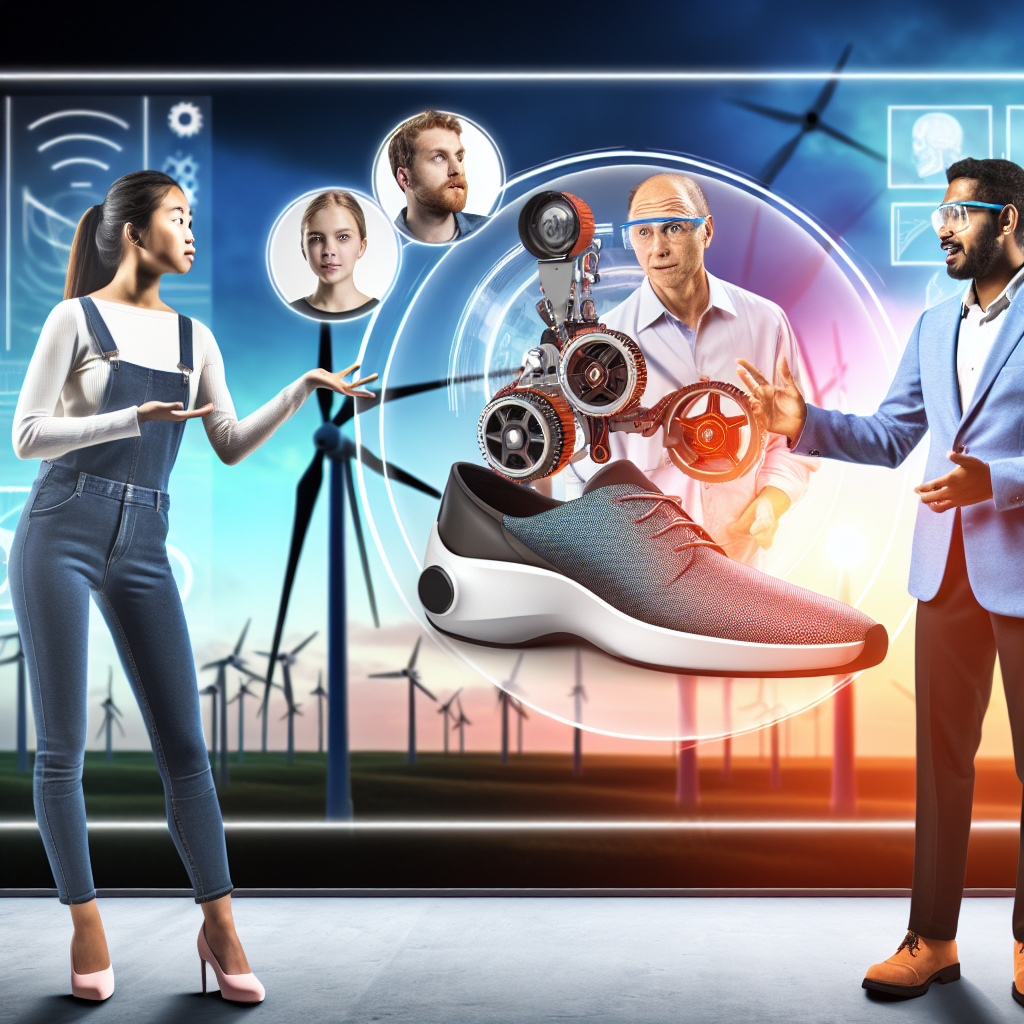
🤖 AI-Generated Illustration by Mobile Digest
In a stunning display of misplaced priorities and corporate excess, Nike has partnered with robotics company Dephy to create the world's first motor-powered footwear system. While the privileged few may celebrate this technological marvel, the unveiling of Project Amplify raises significant question...
In a stunning display of misplaced priorities and corporate excess, Nike has partnered with robotics company Dephy to create the world's first motor-powered footwear system. While the privileged few may celebrate this technological marvel, the unveiling of Project Amplify raises significant questions about social justice, accessibility, and environmental responsibility.
As income inequality continues to widen and countless individuals struggle to afford basic necessities, Nike's focus on developing luxury, motorized shoes for runners and walkers appears tone-deaf and out of touch with the reality faced by many. The exorbitant price tag likely associated with these high-tech shoes will further exacerbate the divide between the haves and have-nots, making them accessible only to a select, affluent minority.
Moreover, the environmental impact of producing and powering these motorized shoes cannot be ignored. In an era where climate change poses an existential threat to our planet, the development of energy-consuming, battery-powered footwear seems counterintuitive and irresponsible. Nike must be held accountable for its role in perpetuating unsustainable consumption patterns and contributing to the depletion of Earth's limited resources.
Furthermore, the collaboration between Nike and Dephy raises concerns about the increasing influence of technology companies in shaping consumer products and experiences. As corporations continue to prioritize profit over people and the planet, it is crucial for governments to step in and regulate these partnerships to ensure that the well-being of citizens and the environment is not compromised in the pursuit of innovation and financial gain.
Instead of investing in frivolous, motor-powered shoes, Nike could have directed its resources towards addressing systemic issues such as the lack of access to affordable, quality footwear for marginalized communities or the need for sustainable manufacturing practices in the fashion industry. By focusing on vanity projects like Project Amplify, Nike has demonstrated a disregard for the pressing social and environmental challenges we face as a society.
As consumers, we must demand more from corporations like Nike. We must push for corporate responsibility, transparency, and a commitment to creating products that prioritize social good over mere novelty and exclusivity. Only by holding these powerful entities accountable and demanding systemic change can we hope to build a more equitable and sustainable future for all.
As income inequality continues to widen and countless individuals struggle to afford basic necessities, Nike's focus on developing luxury, motorized shoes for runners and walkers appears tone-deaf and out of touch with the reality faced by many. The exorbitant price tag likely associated with these high-tech shoes will further exacerbate the divide between the haves and have-nots, making them accessible only to a select, affluent minority.
Moreover, the environmental impact of producing and powering these motorized shoes cannot be ignored. In an era where climate change poses an existential threat to our planet, the development of energy-consuming, battery-powered footwear seems counterintuitive and irresponsible. Nike must be held accountable for its role in perpetuating unsustainable consumption patterns and contributing to the depletion of Earth's limited resources.
Furthermore, the collaboration between Nike and Dephy raises concerns about the increasing influence of technology companies in shaping consumer products and experiences. As corporations continue to prioritize profit over people and the planet, it is crucial for governments to step in and regulate these partnerships to ensure that the well-being of citizens and the environment is not compromised in the pursuit of innovation and financial gain.
Instead of investing in frivolous, motor-powered shoes, Nike could have directed its resources towards addressing systemic issues such as the lack of access to affordable, quality footwear for marginalized communities or the need for sustainable manufacturing practices in the fashion industry. By focusing on vanity projects like Project Amplify, Nike has demonstrated a disregard for the pressing social and environmental challenges we face as a society.
As consumers, we must demand more from corporations like Nike. We must push for corporate responsibility, transparency, and a commitment to creating products that prioritize social good over mere novelty and exclusivity. Only by holding these powerful entities accountable and demanding systemic change can we hope to build a more equitable and sustainable future for all.