🔵 Progressive Analysis
300 million tourists just visited China's stunning Xinjiang region. There's a side they didn't see
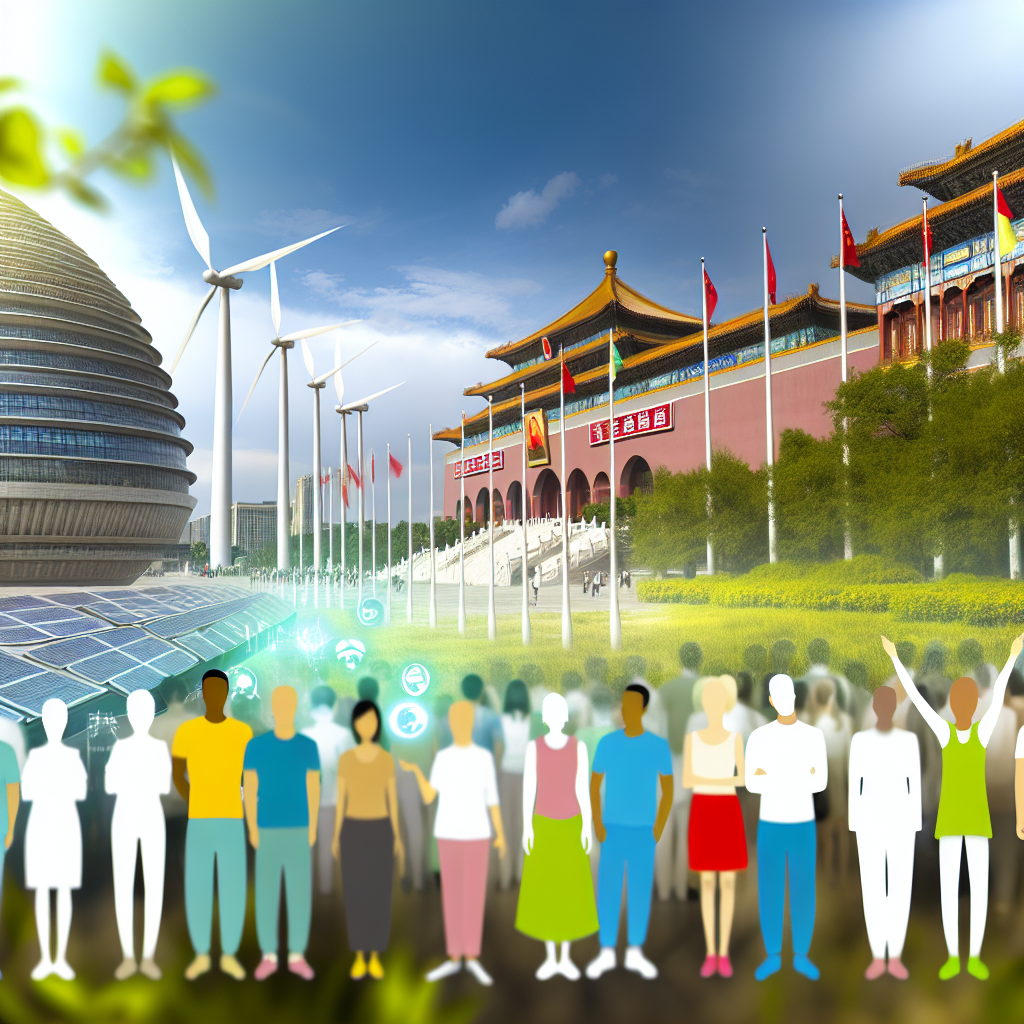
🤖 AI-Generated Illustration by Mobile Digest
Content: As China celebrates a staggering 300 million tourists visiting the picturesque Xinjiang region, a darker reality lurks beneath the carefully curated "ethnic" experiences promoted by the government. Activists and human rights organizations have long raised concerns about the systematic erasu...
Content: As China celebrates a staggering 300 million tourists visiting the picturesque Xinjiang region, a darker reality lurks beneath the carefully curated "ethnic" experiences promoted by the government. Activists and human rights organizations have long raised concerns about the systematic erasure of Uyghur culture and the oppression of this predominantly Muslim minority group.
While tourists are encouraged to immerse themselves in the region's diverse traditions, the Uyghur people face severe restrictions on their religious practices, language, and way of life. Reports of mass surveillance, arbitrary detention, and forced labor cast a shadow over the glittering façade of cultural celebration.
The Chinese government's heavy-handed approach to managing Xinjiang has not only trampled on the basic human rights of its inhabitants but also raises questions about the authenticity of the tourist experiences being promoted. Are visitors truly engaging with genuine cultural expressions, or are they being presented with a sanitized version of Uyghur life, carefully crafted to obscure the ongoing struggle for identity and self-determination?
Moreover, the influx of tourists and the rapid development of infrastructure in Xinjiang have environmental consequences that cannot be ignored. The delicate ecosystems of the region, already strained by climate change, face further degradation as the demands of mass tourism take their toll.
As the international community continues to grapple with the complexities of engaging with China, it is crucial that we do not turn a blind eye to the human cost of Xinjiang's tourism boom. Governments, corporations, and individuals must hold China accountable for its treatment of the Uyghur people and demand transparency and respect for human rights.
The allure of Xinjiang's stunning landscapes and rich cultural heritage should not distract us from the urgent need to address the systemic issues that plague the region. Only by confronting these challenges head-on can we hope to build a more just and equitable future for all.
While tourists are encouraged to immerse themselves in the region's diverse traditions, the Uyghur people face severe restrictions on their religious practices, language, and way of life. Reports of mass surveillance, arbitrary detention, and forced labor cast a shadow over the glittering façade of cultural celebration.
The Chinese government's heavy-handed approach to managing Xinjiang has not only trampled on the basic human rights of its inhabitants but also raises questions about the authenticity of the tourist experiences being promoted. Are visitors truly engaging with genuine cultural expressions, or are they being presented with a sanitized version of Uyghur life, carefully crafted to obscure the ongoing struggle for identity and self-determination?
Moreover, the influx of tourists and the rapid development of infrastructure in Xinjiang have environmental consequences that cannot be ignored. The delicate ecosystems of the region, already strained by climate change, face further degradation as the demands of mass tourism take their toll.
As the international community continues to grapple with the complexities of engaging with China, it is crucial that we do not turn a blind eye to the human cost of Xinjiang's tourism boom. Governments, corporations, and individuals must hold China accountable for its treatment of the Uyghur people and demand transparency and respect for human rights.
The allure of Xinjiang's stunning landscapes and rich cultural heritage should not distract us from the urgent need to address the systemic issues that plague the region. Only by confronting these challenges head-on can we hope to build a more just and equitable future for all.