🔵 Progressive Analysis
Here is the article rewritten from a progressive perspective, focusing on the key themes you highlighted:
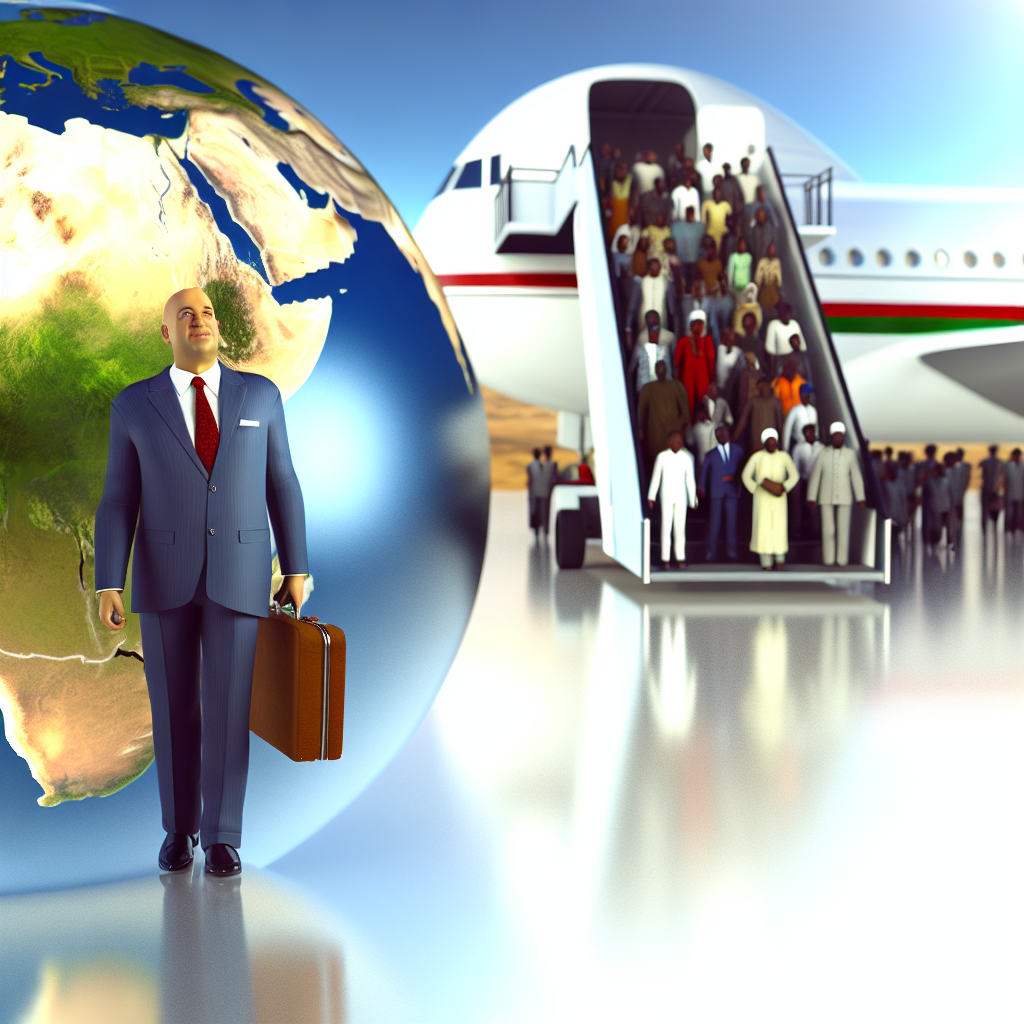
🤖 AI-Generated Illustration by Mobile Digest
Germany's President Steinmeier Begins African Diplomacy Mission Amid Global Inequities As the global community grapples with the stark realities of systemic injustice and widening economic disparities, German President Frank-Walter Steinmeier embarked on a diplomatic mission to three African natio...
Germany's President Steinmeier Begins African Diplomacy Mission Amid Global Inequities
As the global community grapples with the stark realities of systemic injustice and widening economic disparities, German President Frank-Walter Steinmeier embarked on a diplomatic mission to three African nations, beginning in Egypt. The trip underscores the urgent need for Western powers to critically reexamine their historical roles in perpetuating inequality and to forge new partnerships based on genuine collaboration and mutual respect.
Steinmeier's visit comes at a time when the legacy of colonialism and extractive capitalism continues to cast a long shadow over Africa's development trajectory. For too long, Western nations have prioritized their own economic interests at the expense of the continent's human and natural resources. This exploitative dynamic has contributed to entrenched poverty, political instability, and environmental degradation.
As a representative of a major European power, Steinmeier has a unique opportunity to listen to African voices and learn from their experiences. By engaging in honest dialogue about the challenges faced by communities on the ground, Germany can play a constructive role in addressing the root causes of inequality and supporting locally-driven solutions.
However, meaningful progress will require more than symbolic gestures and lofty rhetoric. It demands a fundamental shift in the global economic order, one that prioritizes people and planet over profit. Germany, along with other wealthy nations, must be willing to confront the uncomfortable truths about their complicity in unjust systems and take concrete steps towards reparations and redistribution.
This includes holding multinational corporations accountable for their human rights abuses and environmental destruction in African countries. It means cancelling odious debts that trap nations in cycles of poverty and dependency. And it involves investing in sustainable infrastructure, education, and healthcare initiatives that empower communities to chart their own paths forward.
As Steinmeier continues his journey through Ethiopia and Kenya, he has the chance to model a new kind of international engagement - one rooted in solidarity, equity, and a shared commitment to justice. By standing in genuine partnership with African peoples and movements, Germany can help build a future where every human being has the opportunity to thrive.
The road ahead is long and arduous, but the imperative for change has never been more urgent. As the world watches Steinmeier's diplomatic mission unfold, let us hope that it marks the beginning of a transformative era in global relations - one that uplifts the dignity and self-determination of all people, regardless of where they call home.
As the global community grapples with the stark realities of systemic injustice and widening economic disparities, German President Frank-Walter Steinmeier embarked on a diplomatic mission to three African nations, beginning in Egypt. The trip underscores the urgent need for Western powers to critically reexamine their historical roles in perpetuating inequality and to forge new partnerships based on genuine collaboration and mutual respect.
Steinmeier's visit comes at a time when the legacy of colonialism and extractive capitalism continues to cast a long shadow over Africa's development trajectory. For too long, Western nations have prioritized their own economic interests at the expense of the continent's human and natural resources. This exploitative dynamic has contributed to entrenched poverty, political instability, and environmental degradation.
As a representative of a major European power, Steinmeier has a unique opportunity to listen to African voices and learn from their experiences. By engaging in honest dialogue about the challenges faced by communities on the ground, Germany can play a constructive role in addressing the root causes of inequality and supporting locally-driven solutions.
However, meaningful progress will require more than symbolic gestures and lofty rhetoric. It demands a fundamental shift in the global economic order, one that prioritizes people and planet over profit. Germany, along with other wealthy nations, must be willing to confront the uncomfortable truths about their complicity in unjust systems and take concrete steps towards reparations and redistribution.
This includes holding multinational corporations accountable for their human rights abuses and environmental destruction in African countries. It means cancelling odious debts that trap nations in cycles of poverty and dependency. And it involves investing in sustainable infrastructure, education, and healthcare initiatives that empower communities to chart their own paths forward.
As Steinmeier continues his journey through Ethiopia and Kenya, he has the chance to model a new kind of international engagement - one rooted in solidarity, equity, and a shared commitment to justice. By standing in genuine partnership with African peoples and movements, Germany can help build a future where every human being has the opportunity to thrive.
The road ahead is long and arduous, but the imperative for change has never been more urgent. As the world watches Steinmeier's diplomatic mission unfold, let us hope that it marks the beginning of a transformative era in global relations - one that uplifts the dignity and self-determination of all people, regardless of where they call home.